
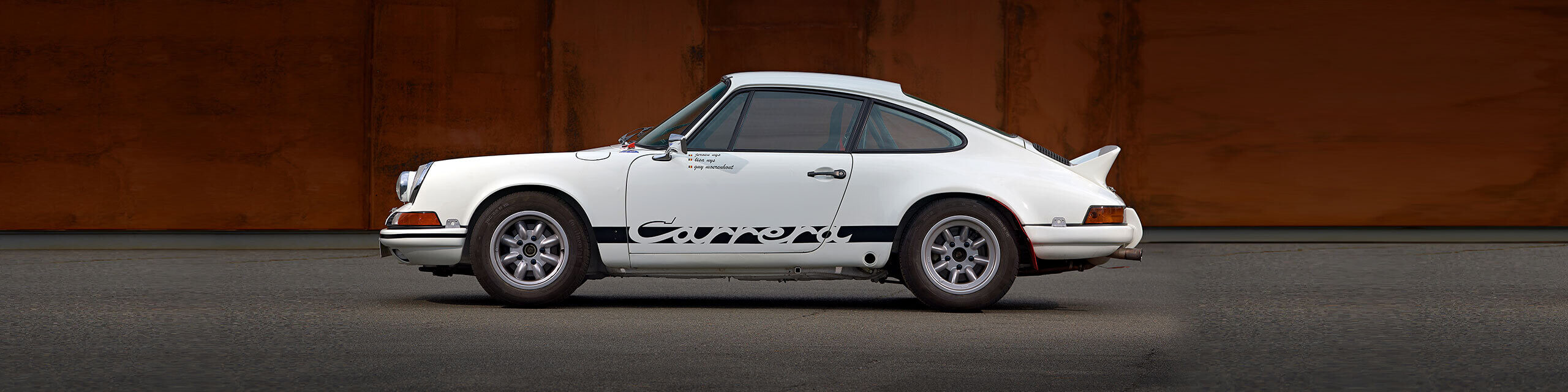
Guy Moerenhout is the driving force behind the museum’s car collection in LierEven before he fell under the spell of Abarth, it was his dream to build a collection of the most important rally cars — and that certainly includes a Porsche 911. In fact, from 1994 to 1998, Guy Moerenhout competed in various events as a driver in a 911, achieving an impressive track record. For instance, he finished second and third in the Ypres Historic Rally in 1994 and 1995 respectively, and earned several top-five finishes in France, the United Kingdom, the Netherlands, and Belgium. |
 |
Porsche 911: The Most Successful Competition Car of All TimeWhen it comes to motorsport, there’s no doubt about it: the Porsche 911 is the most successful car of all time, boasting an enviable list of victories both on circuits and in rallies. The car’s design was created by Ferdinand “Butzi” Porsche, grandson of company founder Ferdinand Porsche. Although the current 911 models no longer share any bodywork components with the original 911 launched in 1964, the iconic silhouette has remained virtually unchanged over the decades. |
The Origins of the Porsche 911: From 901 to Iconic StatusOn 12 September 1963, at the Frankfurt Motor Show, Porsche unveiled the 911 for the first time — although it was still called the 901 back then. However, the model number had to be changed, as Peugeot claimed trademark rights on all car model numbers consisting of three digits with a zero in the middle. Porsche opted for the name 911, and the car was officially launched under that name in 1964. This first version of the 911 was powered by a 2.0-litre air-cooled flat-six engine producing 130 hp to the rear wheels, accelerating from 0 to 100 km/h in 8.9 seconds. Over time, the line-up expanded. In 1966, the 911S was introduced with 160 hp. The Targa followed in 1967, named after Porsche’s many victories in the Targa Florio races in Sicily. |
 |
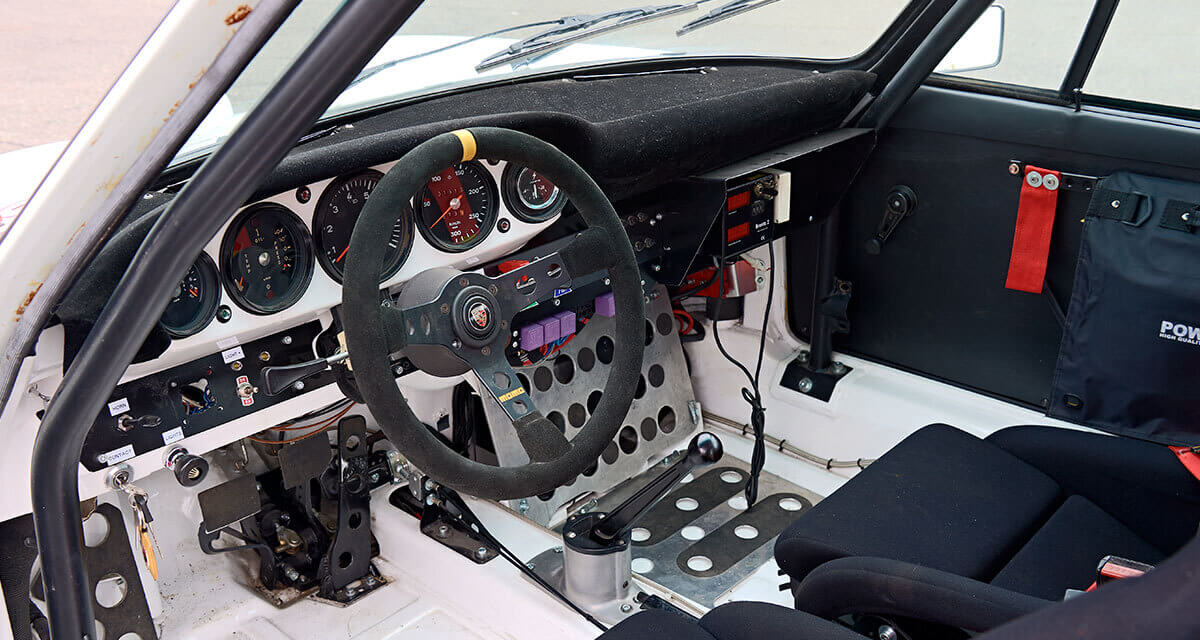 |
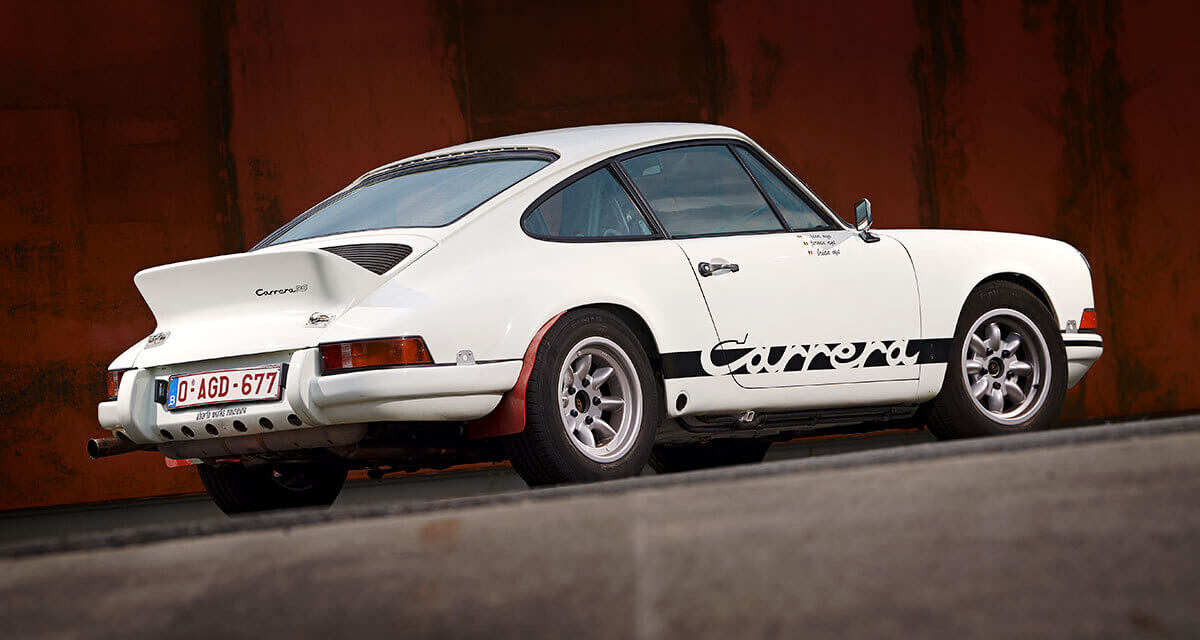
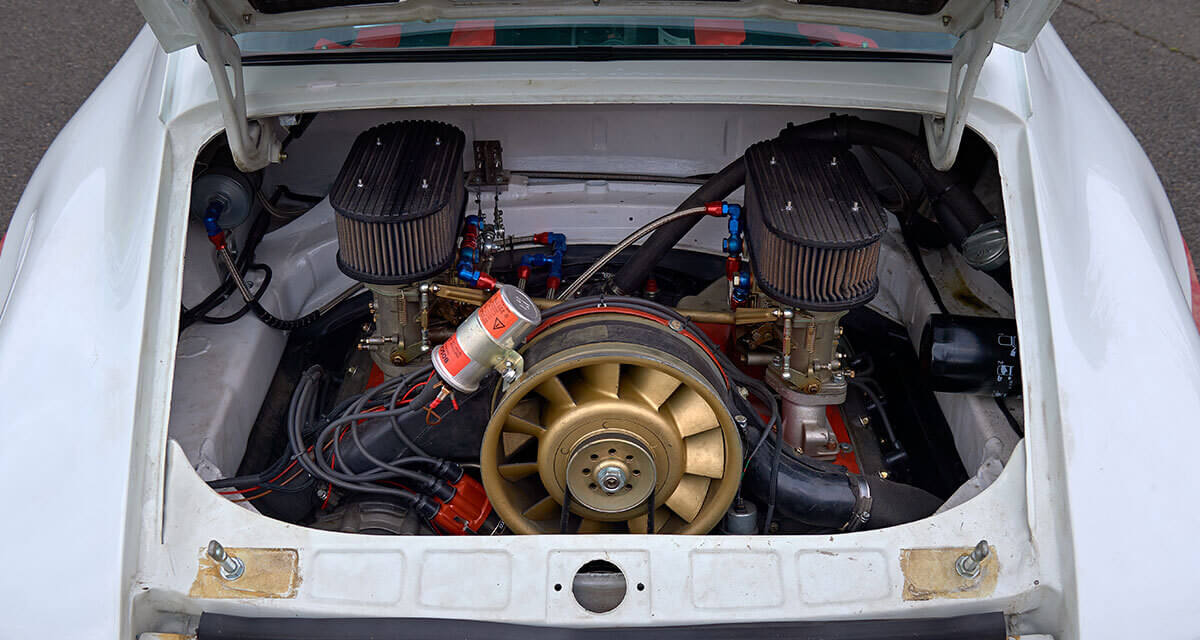
Porsche 911 2.4 ST: From Original 911 to Carrera LookalikeIn 1968, the 911 received a 56 mm longer wheelbase to improve handling. Over the years, engine capacity grew from 2.0 to 2.2 and 2.4 litres. A variety of versions were always offered: the standard 'T' (110, 125, or 130 hp), the comfort-focused 'E' (155 or 165 hp), and the sporty 'S' (160, 170, 180, or 190 hp). Until 1998, all engines remained air-cooled. The 911 on display in the museum may look like a Carrera, but it is actually an original 911 2.4 ST, based on the 2.4 S but typical of the ST version with Minilite wheels instead of Fuchs alloys. The previous owner gave it the Carrera look, making it what we call a ‘recreation’. The car was once fitted with a more powerful 3.6-litre engine and is ready for regularity rally participation. |