

At the 1974 Turin Motor Show, Fiat unveiled the 131This mid-range model, also known as the Mirafiori after the Northern Italian factory where it was assembled, had the tough job of succeeding the successful 124. The 131 was available in three body styles and remained in production for exactly ten years. In Italy alone, just over 1.5 million units were produced. |
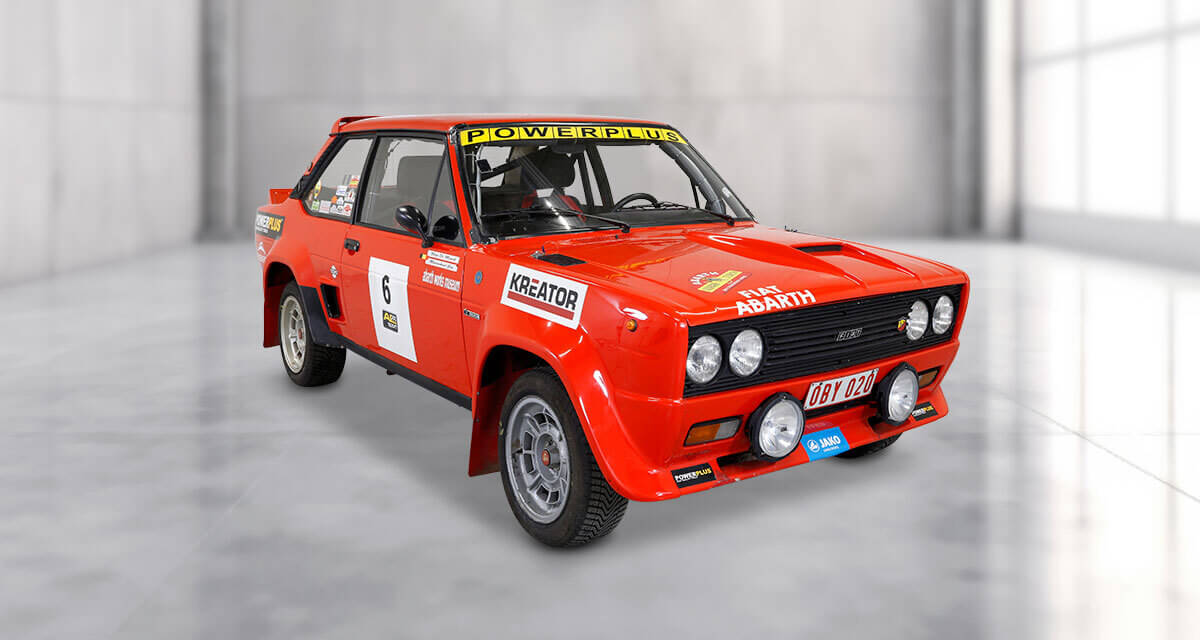 |
Fiat 131: global production and rally ambitionsHowever, the total production figure must be supplemented with the units—some modified—that were built by SEAT (Spain), Tofas (Turkey), FSO (Poland), Nasr (Egypt), and Holland Car (Ethiopia). To boost interest in the 131 and stimulate commercial success, Fiat decided to develop a rally car based on the 131. The company was encouraged by the earlier sporting achievements of the Fiat Abarth 124 Spider. |
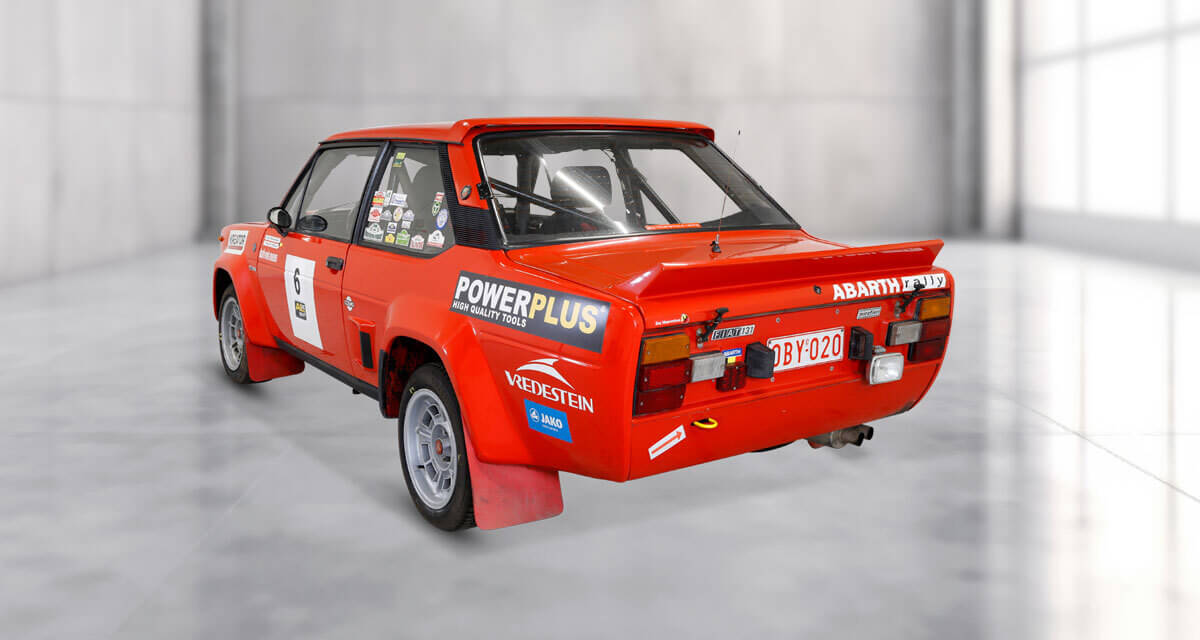
Homologation and construction of the Fiat Abarth 131 rally carTo meet homologation requirements for Group 4 rally cars, 400 Fiat Abarth 131 rally cars were built in 1976. This project was made possible through collaboration with Abarth and Bertone, who were each assigned specific roles. Partially assembled two-door bodies were transferred from the Mirafiori factory to Bertone for further modifications. For example, the floor pan was adapted to allow the installation of an independent rear suspension, replacing the original solid axle. Various plastic components were also added, such as four wheel arch extensions, aerodynamic additions, and lightweight bonnet and boot lids. To further reduce weight, the door panels were made of aluminium. Additional air scoops improved cooling and helped induce cooler air into the cylinders for better performance. |
 |
 |
Assembly and engineering of the Fiat Abarth 131 RallyOnce assembled, the modified bodies were painted and then delivered to the Fiat factory in Rivalta for further finishing, especially the installation of Abarth-specific components. The powertrain was based on a specially prepared Fiat two-litre engine by Abarth, featuring a cast iron block and an aluminium cylinder head with twin overhead camshafts (DOHC). The racing version, or ‘Corsa’, was fed by a mechanical Kügelfischer injection system and initially delivered 225 hp, later upgraded to 245 hp. The first version of the 131 Abarth Rally used two twin Weber 48IDF carburettors but unfortunately had an undersized braking system taken from the Fiat 127. |
Fiat 131 Abarth: rally success and legacyThe 131 Abarth on display in the museum is one of the first 25 ever sold. This can be identified by the ‘C’ symbol on the wheel arch extensions. The ‘C’ stands for ‘concessionaria’—each Fiat dealership was required to purchase one for showroom display. Since then, the car has been fitted with Group 4 suspension, a Group 4-style engine with two Weber 48IDF carburettors, and has won several rallies. The Fiat 131 Abarth was an extremely successful Group 4 rally car, winning the manufacturers’ world championship three times: in 1977, 1978, and 1980. Additionally, Markku Alén (1978) and Walter Röhrl (1980) became world champion drivers behind the wheel of a Fiat 131 Abarth. |
 |